Seasonal Trends in Wedding Flower Arrangements
Table Of Contents
Winter Wedding Flower Options
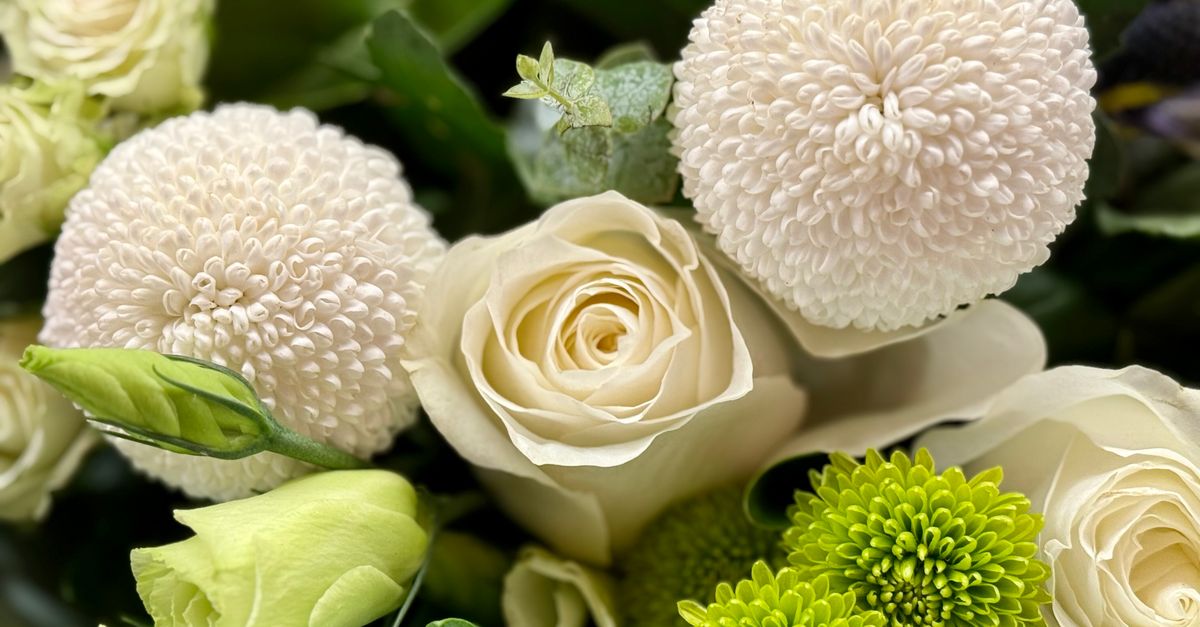
Winter weddings offer a unique canvas for floral arrangements, with an array of stunning options that reflect the season's beauty. Among the popular choices are traditional blooms like lilies and roses, which thrive in cooler temperatures. These flowers can be complemented by seasonal foliage such as evergreens and eucalyptus, adding texture and depth to bouquets and centrepieces. The rich hues of deep reds, purples, and whites enhance the romantic atmosphere associated with winter celebrations.
In addition to classic options, couples can turn to less conventional flowers for their winter arrangements. Anemones, with their striking black centres, provide a dramatic touch, while hellebores bring a delicate elegance to any display. Additionally, incorporating unexpected elements such as berries or pinecones can create a winter wonderland vibe, making arrangements not only visually appealing but also reflective of the season's charm. These choices allow for a personalised style that resonates with the couple's vision while still embracing the wintry theme.
Elegant Choices for the Cold Season
Winter weddings offer a unique opportunity to embrace the beauty of seasonal blooms. Popular choices include deep red roses and white lilies, which evoke a sense of elegance and romance. Additionally, anemones with their striking black centres add a touch of drama to arrangements. Snippets of greenery like eucalyptus and ivy can complement the rich colours, creating a visually appealing contrast against the more subtle winter backdrop.
Incorporating seasonal flowers not only enhances the aesthetic but also ensures freshness. Many florists curate selections based on availability, leading to bolder, more vibrant displays. Textures become important in winter arrangements; incorporating elements such as pinecones and berries can enhance the overall design. These details help craft a warm and inviting atmosphere, perfect for celebrating love during the colder months.
The Impact of Seasonal Trends on Pricing
Seasonality plays a crucial role in determining the pricing of wedding flower arrangements. When certain flowers are in bloom, they tend to be more accessible and affordable. Conversely, flowers that are out of season often incur higher costs due to the need for imports or extensive cultivation efforts. Couples planning their weddings can benefit from understanding these fluctuations, allowing them to make informed choices that fit their budgets while still achieving their desired aesthetic.
Price differences can also hinge on the type of arrangements desired. Elaborate designs featuring exotic or rare blooms may command higher prices, particularly when sourced out of season. On the other hand, opting for local and seasonal flowers can lead to significant savings. Florists often provide options that align with current trends, guiding couples toward affordable choices while still maintaining stunning visuals for their special day.
Budgeting for Seasonal Flowers
When planning a wedding, budgeting for flowers can be a significant part of the overall expenses. Seasonal flowers tend to be more readily available, which can help reduce costs considerably. Choosing blooms that are in season can also mean less reliance on floral imports, potentially leading to savings on transportation and import fees. It’s essential to research the seasonal availability in your area to make the most informed choices for your budget.
Establishing a clear budget for floral arrangements will also allow for flexibility in other areas of wedding planning. Allocating funds specifically for seasonal flowers can open opportunities to invest in higher quality or more elaborate designs. Working with a florist who understands the market can provide insights into cost-effective options that align with personal style and seasonal aesthetics. Being mindful of both the costs and the seasonal offerings can enhance the overall wedding experience.
Local vs Imported Flowers
Choosing between locally sourced and imported flowers can significantly influence the overall aesthetic and cost of a wedding arrangement. Local flowers often reflect the season and the natural beauty of the surrounding landscape. Additionally, using local blooms can foster relationships with nearby growers and reduce the carbon footprint associated with transportation. Freshly picked flowers also tend to last longer, ensuring they look vibrant throughout the event.
In contrast, imported flowers may offer unique varieties and wider options that are not available locally. This can create stunning and exotic arrangements that enhance the wedding's overall theme. However, these imported blooms come with higher costs due to shipping and potential loss during transport. Budget considerations are essential when making these choices, as the price disparity can influence the overall wedding budget while still achieving the desired floral vision.
Benefits of Sourcing Locally
Choosing to source flowers locally can significantly enhance the freshness and vibrancy of wedding arrangements. Local florists often have access to seasonal blooms at their peak, ensuring that couples receive flowers that are both beautiful and long-lasting. Additionally, individuals can discuss their specific vision directly with local experts, allowing for personalised adjustments based on their preferences and the unique aspects of their wedding theme.
Another advantage of local sourcing lies in the support it provides to the community. By purchasing from nearby growers and florists, couples contribute to the local economy and help sustain small businesses. This connection fosters a sense of community and enables couples to build relationships with their suppliers, often resulting in enhanced service and a more tailored experience for their special day.
FAQS
What are some popular flower options for winter weddings?
Popular flower options for winter weddings include roses, tulips, and amaryllis, as well as seasonal greenery like pine and eucalyptus.
How do seasonal trends impact the pricing of wedding flowers?
Seasonal trends can significantly affect pricing, as flowers that are in season are generally more affordable and readily available, while imported or out-of-season flowers may incur higher costs.
What should I consider when budgeting for seasonal flowers for my wedding?
When budgeting for seasonal flowers, consider the type of flowers in season, the size of your arrangements, and the potential need for additional elements like greenery or fillers to complement your chosen blooms.
What are the benefits of sourcing flowers locally for my wedding?
Sourcing flowers locally can lead to fresher blooms, reduced transportation costs, and a lower environmental impact. It also supports local growers and can provide unique, region-specific varieties.
Are there any flower types that are best avoided during the winter season?
Yes, some flower types that are typically best avoided during winter include delicate varieties like peonies or gardenias, as they are usually out of season and may not be readily available or could be expensive.
Related Links
Creating a Romantic Atmosphere with Wedding FlowersTimeless Wedding Flower Choices for Classic Ceremonies
Tips for Bridging Tradition and Modernity in Wedding Florals
Unique Flower Combinations for Contemporary Weddings
The Role of Colour Palettes in Wedding Flower Choices
Cost-effective Wedding Flower Ideas for Newcastle Couples